



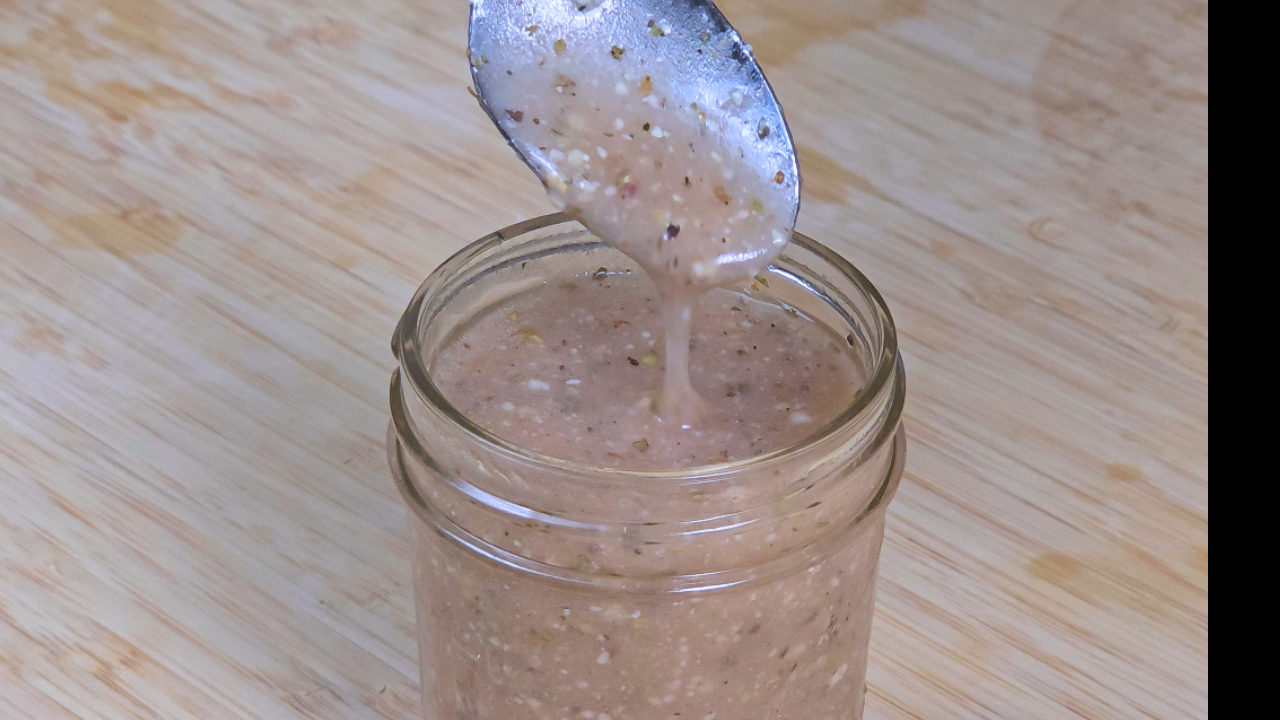
In my opinion, Italian Dressing is extremely underrated, especially if we’re talking about Homemade Italian Dressing. Everyone is always raving about Ranch Dressing and how good it is with so many different dishes. Now granted, Ranch Dressing is indeed good and this post isn’t intended to be a knock on it. But Italian Dressing is a lot more delicious-tasting and versatile than it’s given credit for. It’s versatile too, as you can make it two different ways. To be perfectly frank, I don’t think the store-bought bottles or the Italian Dressing served inrestaurants do it justice. With the Summer approaching, I thought this would be the perfect time to share my Italian Dressing recipe that I merticulously tested and developed.
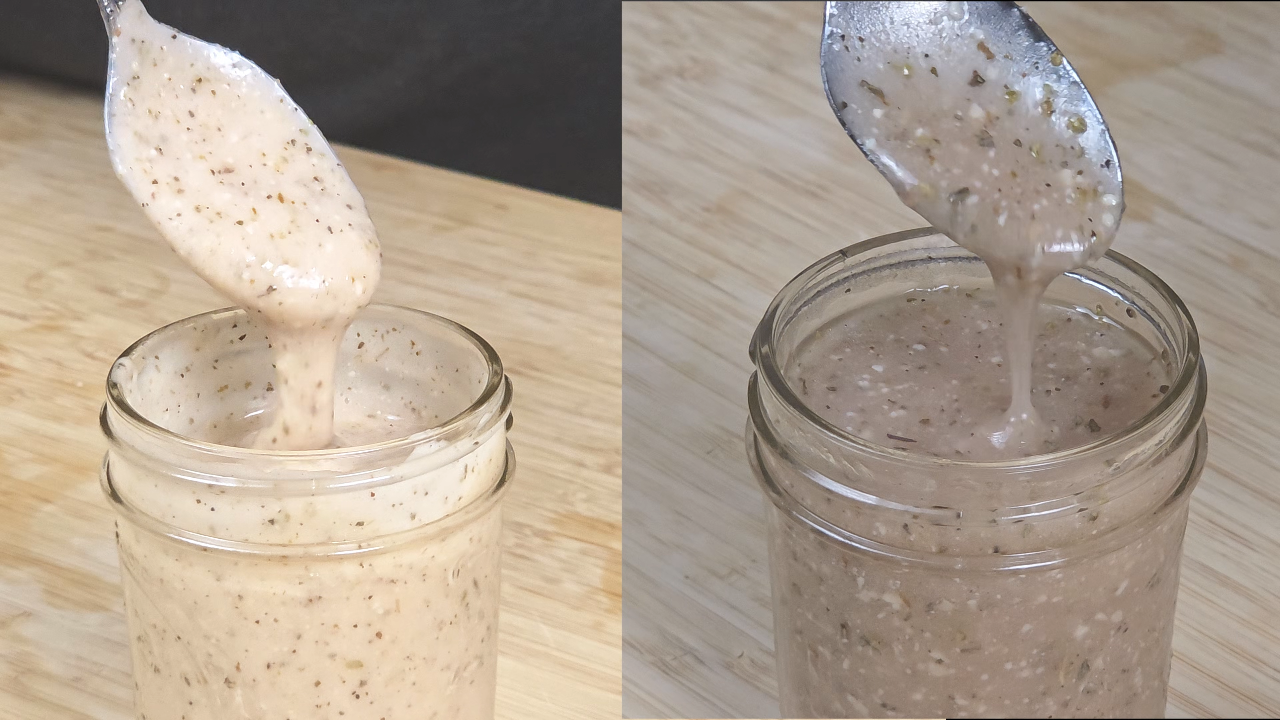
Key Ingredients for Homemade Italian Dressing
This particular recipe for Homemade Italian Dressing is your standard emulsion of acids and fats with a blend of herbs and spices all found in your pantry or neighborhood supermarket. That said, what makes this recipe stand out from the rest is the use of Lime Juice, White Granulated Sugar and Xanthan Gum
- Lime Juice: You will find that most Homemade Italian Dressing recipes, and even those you find at the store or served at restaurants, are made with Lemon Juice. However, for my recipe, I prefer to use Lime Juice in place of the Lemon Juice. While it is true that both Lime and Lemon Juice gives the dressing a zesty flair, the thing wiht Lime Juice in particular is that it tends to be more acidic than Lemon Juice (as proven with its sharper and more bitter flavor profile). For this reason, it actually gives the Italian Dressing an even punchier kick, versus the comparatively mellow and slightly sweet Lemon Juice. I’d go as far as to call this my showstopper!
- Sugar vs. Honey: A lot of the Homemade Italian Dressing you’ll come across will call for Honey, and there’s a good reason for this. They’re attempting to kill multiple birds with one stone, which is neutralizing some of the vinegar & lime juice in the dressing so it doesn’t taste too acidic, plus act as a binder to prevent the ingredients from separating. My main problem with honey is its flavor profile. Honey tends to impart an earthy, caramel-like undertone, not too dissimilar from Butterscotch or Molasses. This is great with baked goods or sweet recipes, but not so much with a savory dressing like this. That’s why I prefer to stick with relatively flavor-neutral Sugar instead, similar to store-bought dressings.
- Xanthan Gum: This is the not-so-secret ingredient for my Homemade Italian Dressing! In fact, it’s what is used in many of the store-bought dressing. When a lot of people see it, their mind automatically assumes we’re talking about some synthetic chemical made in a laboratory, but that’s actually far from the truth! While it is a processed additive, it’s actually made through a biological process known as fermentation. It is basically sugar combined with bacteria that is pasteurized until it form a goo-like bacteria, is coated with alcohol, then dried until it forms the white powder available in stores. Because of the processing it goes through, the Xanthan Gum acts as a much more powerful thickener/binder compared to Honey.
And that’s all there is to it! This Homemade Italian Dressing pares well with all sorts of food. It is commonly enjoyed as a marinade for meat & poultry such as chicken, a condiment on deli sandwhiches such as italian subs and a base for pasta or leafy green salads. By the time you finish reading this post, you will also be a pro at making this dressing yourself and you’ll have your family & friends begging to make it all the time!
Tips for Making this Recipe
Season the salad. Sounds a bit weird, right? After all, you’d think the dressing itself would be the seasoning for the salad. Well believe it or not, the reason restaurant salads taste so good (besides their dressings some make in-house) is because they also tend to add salt and pepper directly to the leaves before serving you, after washing and drying the leaves of course. What this tends to do is build flavor from the ground up with the salad, so that way the dressing isn’t doing all of the heavy lifting. It is currently something you can give a try as well when you use this Homemade Italian Dressing with your salad (it should make a huge difference!).
Choose your olive oil carefully. I’m not necessarily referring to the type of Olive Oil that you use (although this is important for different reasons, which I’ll explain further down in this post), but rather the brand you select. There are fradulent vendors and companies out here who are selling seed oils such as Soybean or Canola Oil as Olive Oil. On top of that, even some of the recognizable brands will use poor-quality olives that leave behind a metallic taste because they require a lot more processing. For the best results, I recommend seeking out brands that have the North American Olive Oil Association (NAOOA) Certified Seal for your Homemade Italian Dressing, to ensure you’re getting 100% Olive Oil.
Allow dressing to rest before serving. While this is not strictly required, and this Homemade Italian Dressing recipe tastes perfectly fine if you serve it immediately, I do recommend allowing it to sit at room temperature for 30 minutes to 1 hours. This will give time for all of the spices/herbs that were added to complete meld with the acids & fats in the dressing as well as fully bloom, taking it to a whole ‘nother level. Assuming you’re making the viniagarette-style Italian Dressing though, the ingredients will have to tendency to separate since they were never entirely emulsified (which is how it should be) and you may have to shake it some more to blend everything together again.
Add a dash of paprika for color. This is very much an optional step, and I typically do not do it myself. But for those who may not know, while there are varying kinds of Paprika, Ground Paprika specifically has very mild (some would even describe it as neutral) flavor profile when added in small quantities. What it really does is enhance the color and brightness of the Homemade Italian Dressing (without using artificial dyes). This is a neat little trick for those who are trying to impress others with their cooking and are big on aesthetics. But again, as mentioned, a little does go a long way. I recommend using no more than 1/4 of a teaspoon.
Frequently Asked Questions
Can I substitute the Red Wine Vinegar for White Wine Vinegar?
Absolutely, as a 1:1 conversion in fact! Just be aware, if you do decide to go forward with this substitution for the Homemade Italian Dressing, you will be losing the fruity flair that the Red Wine gives it as White Wine Vinegar has a relatively milder and more neutral taste.
Why is a Slurry Required For The Xanthan Gum?
The problem with Xanthan Gum is somewhat similar to the problem with many thickeners (such as cornstarch). If you were to add it directly to the Homemade Italian Dressing by itself, it will tend to form clumps once it makes contact with the water in the dressing. That being said, a slurry using the Olive Oil isn’t the only option. You can also mix it in with the sugar as well.
Can I substitute the light testing olive oil for extra virgin olive oil?
I don’t recommend it. The main reason I advise against using extra virgin olive oil is because it tends to have a very potent “olive” flavor that can overpower the other ingredients in the Homemade Italian Dressing. Conversely, light tasting olive oil has been refined specifically to neutralize its “olive” flavor so that it taste more neutral.
Can I freeze this Homemade Italian Dressing? And if so, for how long?
I don’t recommend it. It is true there are some Homemade Italian Dressing you can freeze (even as long as 2-3 months!) and you should be able to re-emulisfy them if they were to separate once they thaw in the refrigerator overnight by vigorously shaking them. The problem with this recipe is it includes Parmesan Cheese, which has the tendecy to curdle while frozen. But the bigger concern is the oil. What tends to happen is the freeze/thaw cycle will break down the oil in the dressing and cause it to go rancid pretty fast. That is another reason why I don’t recommend freezing this recipe.
How long can you store this Homemade Italian Dressing in the refrigerator?
As long as the Homemade Italian Dressing is stored in an airtight container or bowl, it should be safe to eat for at least 7 days. After 7 days, it may begin to lose its flavor & texture. Once 14 days have passed, I would advise that you dispose of the dressing as it may no longer be edible.
Try These Other Recipes
-
Easy Macaroni Salad Recipe
-
Best Sausage Gravy Recipe
-
Best Beef Gravy Recipe
-
Best Chicken Gravy Recipe
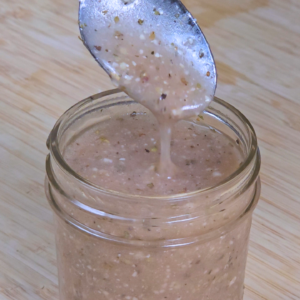
Easy Homemade Italian Dressing Recipe
Equipment
- 1 Salad Dressing Shaker (can also use Mason Jar or Protein Powder Shaker)
- 1 Small Prep Bowl
- 1 Spoon
- Measuring Cups/Spoons
Ingredients
- 2/3 Cups Light Tasting Olive Oil
- 1/4 Cup Red Wine Vinegar
- 3 TBSP Water
- 2 TBSP Grated Parmesan Cheese
- 1 TBSP White Granulated Sugar
- 1 TSP Lime Juice
- 1 TSP Iodized Salt
- 1 TSP Dried Oregano
- 1 TSP Dried Basil
- 1/2 TSP Garlic Powder
- 1/2 TSP Onion Powder
- 1/4 TSP Ground Black Pepper
- 1/4 TSP Xanthan Gum (+1 TBSP Olive Oil for Slurry)
- 1/8 TSP Red Pepper Flakes
- 1/4 TSP Ground Paprika (optional for color)
Instructions
For Vinaigrette Italian Dressing
- Combine all ingredients (excluding xanthan gum) in mason jar or shaker
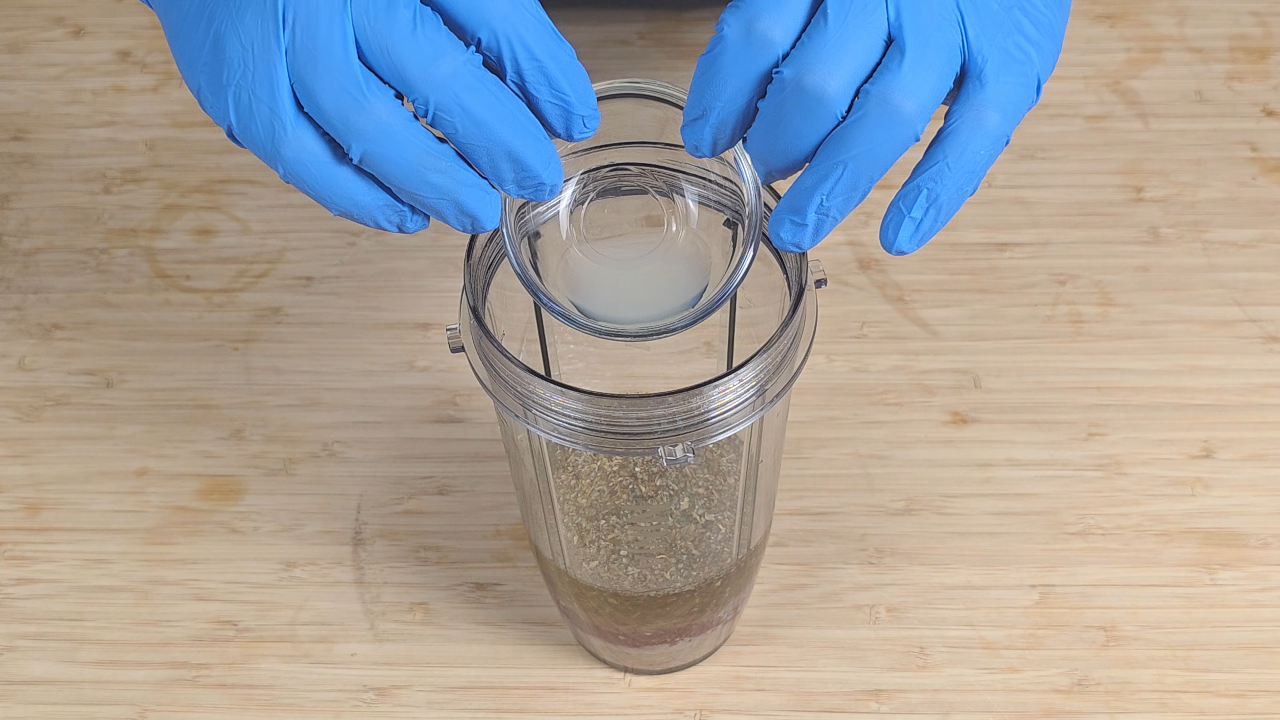
- In a separate small prep bowl, combine olive oil with xanthan gum and mix together until gum is fully dissolved and a slurry is formed.
- Add slurry to other ingredients and ensure the jar or shaker is sealed tightly
- Vigorously shake jar or shaker for 30 seconds to bind the ingredients together before serving.
For Creamy Italian Dressing
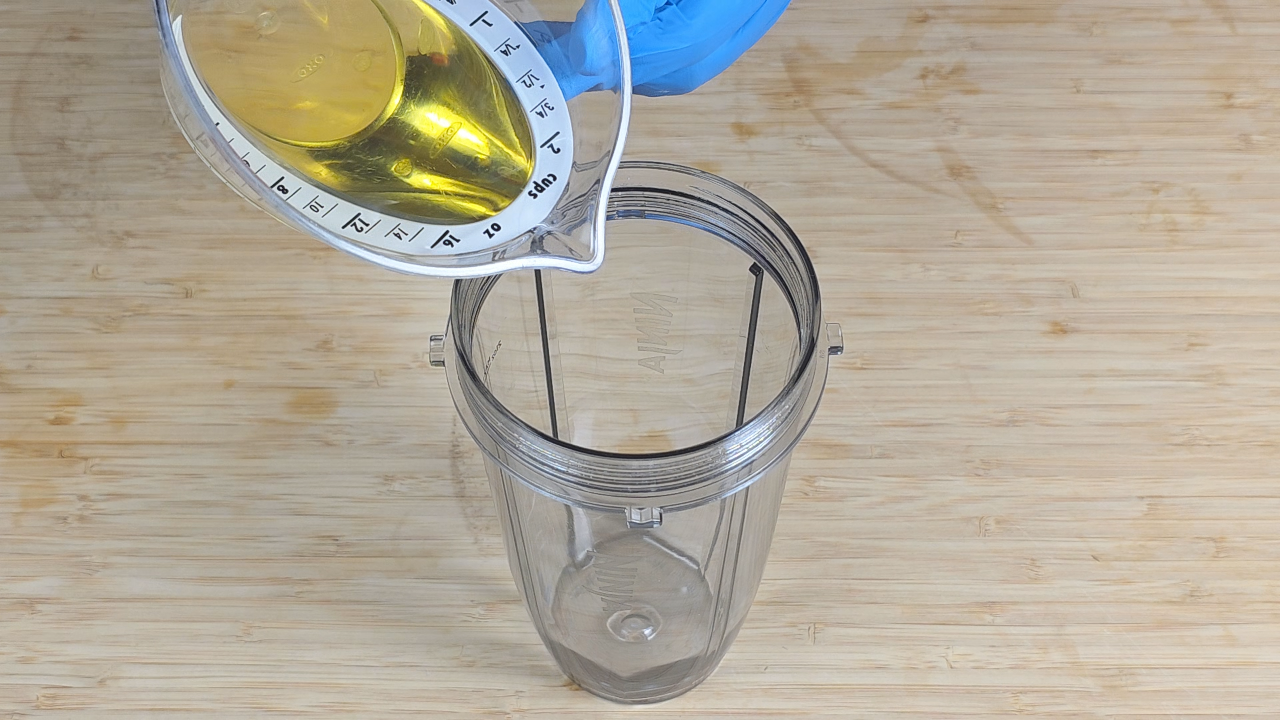
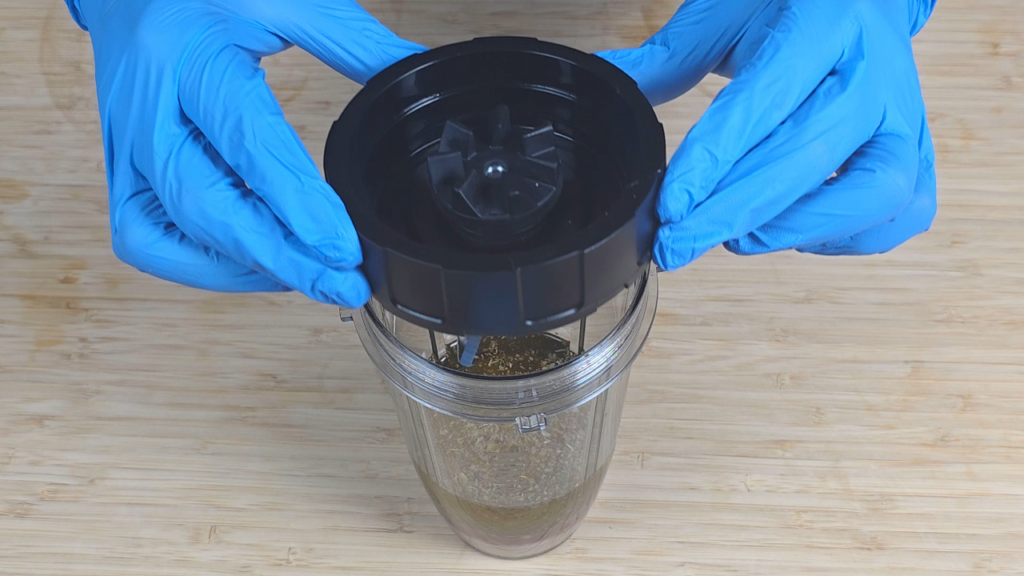
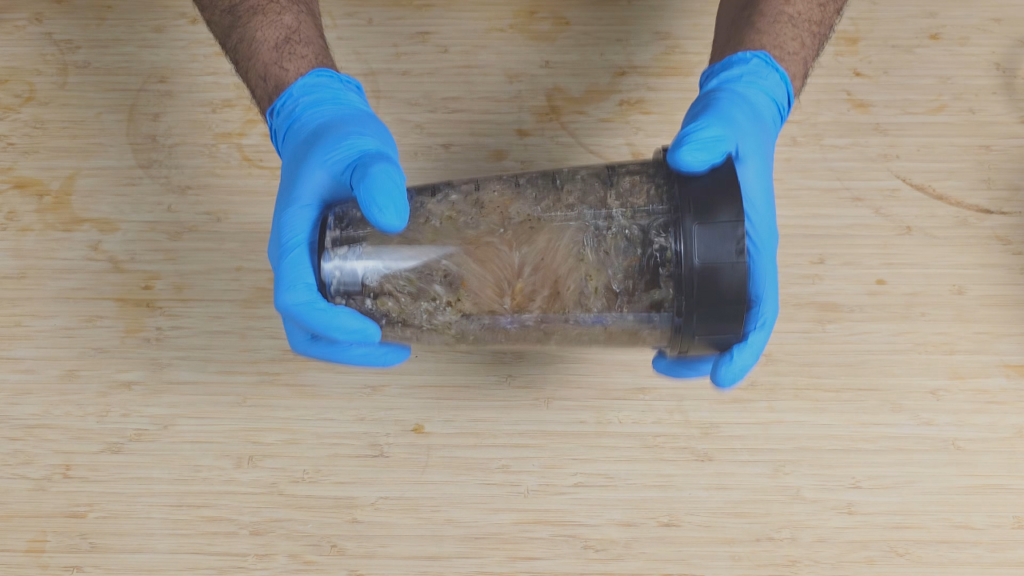
- Using blender, blend ingredients on low speed until it achieves a smooth and velvety consistency (approx. 5-10 seconds)***
Video
Notes